
It’s a sweltering July afternoon in Raleigh, or perhaps a crisp January morning. Your home should be your sanctuary, a perfectly tempered haven. But what happens when the hum of the air conditioner falters, or the furnace decides to take an unscheduled break? This is where the expertise of HVAC repair Raleigh services becomes not just a convenience, but a necessity. But how do you approach this often-frustrating situation with a clear head, ensuring you get the best value and lasting solution?
The Whispers of a Failing System: Early Warning Signs
Many homeowners tend to ignore the subtle cues their HVAC system might be sending. It’s easy to dismiss a faint rattling sound or a slight decrease in airflow as minor inconveniences. However, these are often the first whispers of a more significant issue brewing. In my experience, catching these early warning signs can save you considerable money and hassle down the line. Consider:
Unusual Noises: Hissing, clanking, or grinding sounds are rarely a good sign.
Inconsistent Temperatures: Are some rooms warmer or colder than others?
Increased Energy Bills: A sudden spike without a change in usage habits often points to inefficiency.
Poor Air Quality: Musty odors or an increase in dust can indicate airflow problems or filter issues.
Beyond the Quick Fix: What to Look for in Raleigh HVAC Services
When the need for HVAC repair Raleigh becomes undeniable, the sheer number of service providers can feel overwhelming. It’s tempting to pick the first name that pops up on a search engine, but a little critical thinking can lead to a much better outcome. What truly separates a reputable HVAC technician from someone just looking to make a quick buck?
Licensing and Insurance: This is non-negotiable. A licensed and insured technician means they are qualified and you’re protected.
Customer Reviews and Reputation: What are past clients saying? Look for consistent positive feedback on reliability and professionalism.
Transparent Pricing: Do they offer upfront estimates? Are they clear about labor costs versus parts?
Experience with Your System Type: If you have a specialized or older system, does the company have a proven track record with it?
The “Why” Behind the Breakdown: Common HVAC Culprits
Understanding why your HVAC system might be failing can empower you to make more informed decisions. While a professional diagnosis is always essential, being aware of common issues can help you ask the right questions.
#### Airflow Obstructions: The Silent Saboteur
One of the most frequent culprits is compromised airflow. This can stem from several sources:
Dirty Air Filters: This is the simplest and most common issue. A clogged filter restricts air movement, making your system work harder and less efficiently.
Blocked Vents: Furniture, rugs, or even accumulated debris can obstruct your vents.
Ductwork Leaks: Over time, the network of ducts that distributes air can develop leaks, allowing conditioned air to escape into your attic or walls. This is a significant energy drain.
#### Refrigerant Issues: More Than Just a “Leak”
For air conditioning systems, refrigerant is key. Low refrigerant levels, often colloquially referred to as a “leak,” can significantly impact cooling performance. However, it’s rarely just a simple matter of adding more.
The Importance of Detection: A qualified technician will first identify why the refrigerant is low, meaning they need to find and repair the actual leak before recharging the system. Simply topping it off is a temporary band-aid.
Environmental Concerns: Refrigerants can be harmful to the environment, so proper handling and repair are crucial.
#### Electrical and Mechanical Failures: The Heart of the Problem
Sometimes, the issue lies deeper within the system’s electrical or mechanical components.
Capacitor Failures: These small but vital parts help start your fan and compressor motors. If one fails, your system might not start at all.
Thermostat Malfunctions: While seemingly simple, a faulty thermostat can send incorrect signals, leading to your HVAC not responding as it should.
Motor Problems: The motors in your fan or compressor can wear out over time, requiring replacement.
Proactive Care: Extending the Life of Your Raleigh HVAC System
The best HVAC repair Raleigh is often the kind you don’t need. Investing in preventative maintenance is like giving your system a regular check-up, catching minor issues before they escalate into major repairs.
Annual Tune-Ups: Scheduling a professional inspection and tune-up at least once a year (ideally before the peak cooling and heating seasons) can identify potential problems.
Regular Filter Changes: Make this a routine habit. It’s inexpensive and has a massive impact on performance and air quality.
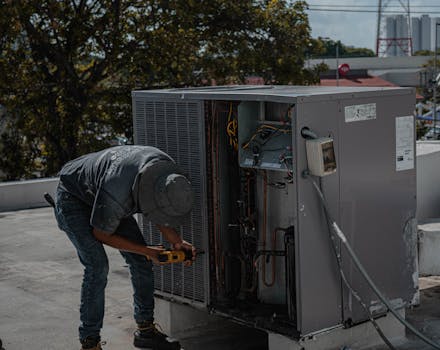
* Keep Outdoor Units Clear: Ensure the area around your outdoor condenser unit is free of debris, leaves, and shrubbery to allow for proper airflow.
The Cost of Neglect: When to Prioritize Repair
It’s a delicate balance, isn’t it? When do you repair, and when does the cost of repeated repairs outweigh the benefit of a new system? This is a question many Raleigh homeowners grapple with.
If you find yourself calling for HVAC repair Raleigh multiple times a year, and the repairs are becoming increasingly expensive, it might be time to seriously consider a replacement. An aging system that frequently breaks down is not only a source of frustration but also an inefficient energy consumer, leading to higher utility bills. A new, high-efficiency system can offer significant long-term savings and improved comfort.
Final Thoughts: Your Comfort, Your Choice
Navigating the world of HVAC repair Raleigh can feel like a daunting task, but it doesn’t have to be. By understanding the common signs of trouble, knowing what to look for in a service provider, and embracing proactive maintenance, you can ensure your home remains a comfortable retreat throughout the year. It’s about more than just fixing a broken machine; it’s about investing in the well-being and efficiency of your home.
Considering the investment you make in your home’s comfort, what proactive steps are you currently taking to safeguard your HVAC system from unexpected breakdowns?