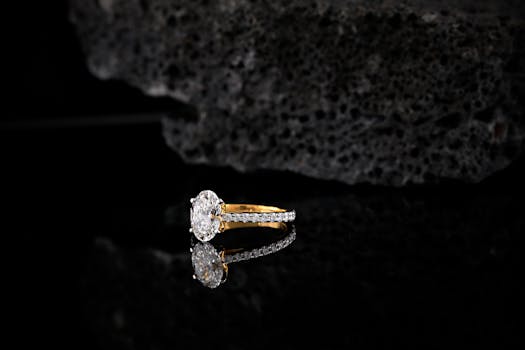

Imagine the thrill of finding that one perfect diamond – a stone that doesn’t just sparkle, but tells a story. For many, this quest involves navigating an ocean of options, a process that can feel overwhelming. This is precisely where the strategic approach to a “RaRare Carat diamond searchbecomes not just beneficial, but essential. It’s about moving beyond the ordinary and pinpointing those extraordinary gems that truly stand out. My own journey into the diamond world started with a similar desire: to understand how one could reliably find those unique diamonds without getting lost in the sheer volume of available inventory. It’s a journey that reveals a fascinating interplay of technology, market dynamics, and astute buyer discernment.
Beyond the Standard 4 Cs: What Constitutes “Rare”?
When we talk about “rare” in the context of diamonds, we’re not just referring to the common 4 Cs: cut, color, clarity, and carat weight. While these are foundational, true rarity often lies in exceptional combinations or even characteristics that fall outside the typical grading spectrum. A diamond might be rare because of its:
Exceptional Color Intensity: Beyond the D-Z scale, fancy colored diamonds (like vivid blues, pinks, or greens) are inherently rare and command premium prices. Even within the colorless range, a truly flawless “D” color diamond with an ideal cut is a rarer find than many realize.
Unique Clarity Characteristics: While VS or VVS clarity grades are desirable, a diamond with inclusions that are aesthetically pleasing or create an interesting optical effect can possess a different kind of allure, albeit not traditionally “rare” in a grading sense. However, perfectly clean diamonds (internally and externally flawless) are exceedingly rare.
Unusual or Optimal Cut Proportions: The cut is paramount to a diamond’s sparkle. A perfectly executed cut, maximizing brilliance, fire, and scintillation, is a rare feat of craftsmanship. Some cuts, while beautiful, might sacrifice optimal light performance – a truly rare diamond excels in both form and function.
Significant Carat Weight: Larger diamonds are exponentially rarer. A 2-carat diamond is far rarer than two 1-carat diamonds, and this scarcity increases dramatically as the carat weight climbs.
Specific Origin or Mine: Diamonds from historically significant mines (like Golconda or certain Russian mines) or those with particular geological origins can carry a unique mystique and perceived rarity.
Leveraging Technology for Your “Rare Carat Diamond Search”
Platforms like Rare Carat have revolutionized the way we approach diamond acquisition. They aggregate inventory from numerous wholesalers and retailers, presenting a vast selection in a searchable format. However, a successful “Rare Carat diamond search” isn’t just about casting a wide net; it’s about employing sophisticated filtering and analytical tools.
#### Precision Filtering: The First Line of Defense
The power of any online diamond search lies in its filtering capabilities. For a rare diamond, this means going beyond basic parameters:
Color Grade Nuances: Don’t just filter for “D.” Consider a range of “rare” colorless grades (D-F) or explore the subtle beauty of near-colorless grades (G-H) if combined with other exceptional qualities.
Clarity Specificity: Instead of a broad “VS,” consider “VVS1” or even “IF” for that ultimate clarity. Understanding how inclusions affect appearance is key.
Cut Grade Excellence: Filter exclusively for “Excellent” or “Ideal” cut grades, and then delve into the specific cut details like polish and symmetry.
Proportions and Fluorescence: For an expert eye, specific proportions (e.g., table percentage, depth percentage) and the presence/absence of fluorescence can dramatically impact a diamond’s visual appeal and perceived rarity.
#### Beyond the Filters: Understanding the Data
A truly informed “Rare Carat diamond search” involves looking behind the numbers. Many platforms provide detailed reports and magnified imagery. It’s here that you can:
Analyze Inclusions: Use high-resolution imagery to understand the type, location, and size of any inclusions. Are they eye-clean? Do they detract from the beauty or add character?
Evaluate Fluorescence Impact: While high fluorescence can sometimes make a diamond appear hazy, a faint or medium blue fluorescence can sometimes enhance the perceived color of a near-colorless diamond. This is a nuanced consideration.
Compare Pricing Against Market Trends: Rare Carat, for instance, often provides price comparisons to help users ascertain if a diamond is competitively priced for its specific attributes. This data is crucial for making an informed decision on a rare purchase.
Navigating the Landscape of Fancy Colored Diamonds
The quest for rare diamonds often leads to the captivating world of fancy colored diamonds. These are diamonds where color is the primary defining characteristic, and their rarity is exponentially higher than colorless diamonds.
#### Understanding Fancy Color Grading
Fancy colored diamonds are graded on a scale that describes the intensity and hue of their color. The terms “Vivid,” “Intense,” and “Fancy Deep/Dark” denote the highest levels of color saturation and, consequently, rarity.
Hue: This refers to the specific color (e.g., blue, pink, yellow, green).
Tone: This relates to the lightness or darkness of the color.
Saturation: This is the intensity or purity of the color.
When conducting a “Rare Carat diamond search” for these stones, expect fewer results and a significantly higher price point. The rarity here is not just in the diamond itself, but in the specific hue and intensity combination.
#### The Role of Secondary Hues
Sometimes, the most captivating fancy colored diamonds possess subtle secondary hues that add depth and complexity. For example, a pink diamond might have a purplish or orangey secondary hue, which can be highly desirable. Identifying these nuances requires a keen eye and an understanding of what constitutes exceptional beauty in colored diamonds.
The Human Element: Expert Insight in Your Search
While technology offers unparalleled access and filtering, the discerning buyer still relies on human expertise. A “Rare Carat diamond search” is significantly enhanced by understanding what seasoned gemologists or experienced jewelers look for.
#### What to Ask Your Gemologist or Trusted Advisor
“Can you explain the grading report in detail, focusing on aspects that contribute to this diamond’s rarity?”
“How does the cut proportion specifically impact the light performance of this stone?”
“Are there any unique characteristics in the inclusions or fluorescence that I should be aware of?”
* “Based on your experience, how does this diamond compare to others in its rarity class?”
In my experience, engaging with knowledgeable professionals can illuminate aspects of a diamond’s rarity that might be overlooked when relying solely on automated filters. They bring a qualitative understanding that complements the quantitative data.
Conclusion: Cultivating a Discerning Eye for True Rarity
Ultimately, a successful “Rare Carat diamond search” is an art form. It’s about marrying the power of advanced search technology with a cultivated understanding of diamond science and aesthetics. It’s about asking the right questions, knowing what the data truly signifies, and understanding that rarity is multifaceted. Don’t just look for diamonds that meet a certain specification; look for diamonds that possess an exceptional combination of qualities, a captivating presence, and a story worth telling. By approaching your search with this analytical and informed perspective, you’re not just finding a diamond, you’re discovering a true treasure.