
Imagine this: a critical shipment of vital medical supplies is en route. Somewhere between the factory and the hospital, a delay occurs. Without real-time, verifiable tracking, panic can set in. Where is it? Is it safe? Was it tampered with? This isn’t just an inconvenience; it can have serious consequences. For too long, supply chains have grappled with opacity, inefficiency, and a lack of trust. But what if there was a way to bring unprecedented transparency and speed to this complex dance of goods? That’s where the potential of blockchain technology, specifically Solana, comes into play. It’s an idea that’s gaining serious traction, and for good reason.
So, why are people talking about using Solana for tracking goods? It’s not just another buzzword; it’s about leveraging a powerful, modern blockchain to solve real-world problems in logistics and supply chain management.
The Blockchain Advantage for Tangible Assets
Let’s be honest, the world of supply chains can feel a bit like a black box sometimes. Goods move from Point A to Point B, and we often only get snapshots of their journey. This lack of continuous, verifiable data opens the door to errors, fraud, and inefficiencies. Blockchain technology offers a revolutionary solution by creating an immutable, distributed ledger. Every transaction, every movement, every touchpoint can be recorded and cryptographically secured. This means:
Unparalleled Transparency: Everyone involved in the supply chain, from manufacturer to end-consumer, can see the same, verified data in near real-time.
Enhanced Security: Once a record is on the blockchain, it’s virtually impossible to alter or delete, significantly reducing the risk of fraud and counterfeiting.
Improved Accountability: Clear audit trails make it easier to pinpoint responsibility if something goes wrong.
However, not all blockchains are created equal. Some older, more established blockchains can be slow and expensive to use, which is precisely where Solana shines.
Why Solana is a Game-Changer for Logistics
When you think about using Solana for tracking goods, you’re thinking about speed, cost, and scalability. Solana has been engineered from the ground up to address the limitations that have held back broader blockchain adoption in enterprise applications. Here’s why it’s such a compelling choice:
#### Blazing-Fast Transactions: The Need for Speed
In the fast-paced world of global logistics, every second counts. Delays in updating shipment status can lead to missed connections, increased carrying costs, and dissatisfied customers. Solana boasts incredibly high transaction speeds, capable of processing tens of thousands of transactions per second. For a tracking system, this means:
Real-time Updates: Imagine a sensor on a container automatically updating its location every minute. Solana can handle this constant stream of data without breaking a sweat.
Responsive Systems: This speed translates into more responsive and efficient tracking platforms, allowing for quicker decision-making and problem-solving.
#### Cost-Effectiveness: Keeping the Bottom Line in Sight
One of the historical hurdles for blockchain implementation has been the cost, particularly transaction fees (often called “gas fees”). On some blockchains, these fees can fluctuate wildly and become prohibitively expensive, especially for high-volume applications like tracking millions of individual items. Solana, with its innovative architecture and Proof-of-History mechanism, offers remarkably low transaction fees. This is a massive win for businesses looking to implement supply chain tracking solutions:
Scalable Cost Structure: Businesses can track an enormous volume of goods without facing exorbitant per-transaction costs.
Predictable Expenses: Lower and more stable fees make financial planning for such a system much more straightforward.
#### Built for Scale: Handling the Demands of Global Trade
The sheer volume of goods moving around the world is staggering. Any tracking solution needs to be able to handle this immense scale. Solana’s architecture is designed for high throughput and low latency, making it inherently scalable. This means:
Future-Proofing: As your business grows and the volume of tracked goods increases, Solana can comfortably handle the additional load.
Supporting Complex Networks: It can manage intricate supply chain networks involving numerous parties, locations, and data points without performance degradation.
Practical Applications: How Will This Actually Work?
So, how would using Solana for tracking goods translate into tangible benefits on the ground? Let’s break down some practical scenarios:
Smart Contracts: The Automated Guardians of Your Goods
At the heart of many blockchain applications are smart contracts – self-executing contracts with the terms of the agreement directly written into code. When using Solana for tracking goods, smart contracts can automate a host of processes:
Automated Payments: Trigger payments to suppliers or carriers automatically once a shipment reaches a predefined milestone (e.g., arrival at port, successful inspection).
Condition Monitoring: If a shipment of perishable goods (like food or pharmaceuticals) has specific temperature or humidity requirements, sensors can feed data to a smart contract. If conditions deviate outside the agreed parameters, the contract can automatically flag the issue, potentially initiating an insurance claim or alerting stakeholders.
Proof of Delivery: Once a package is scanned as delivered and confirmed by the recipient’s digital signature, the smart contract can finalize the transaction and release final payment.
Securing the Supply Chain: Beyond Simple Location Tracking
It’s not just about knowing where something is; it’s also about knowing what it is and that it hasn’t been compromised.
Authenticity Verification: For high-value goods, like luxury items or electronics, unique digital identifiers can be created on the Solana blockchain. As the item moves through the supply chain, its journey is recorded, providing an irrefutable chain of custody. This makes it much harder for counterfeit products to enter the market.
Tamper-Evident Seals: IoT devices can monitor physical seals on containers. If a seal is broken, this event can be immutably recorded on Solana, providing immediate alerts and triggering investigations.
Enhancing Consumer Trust and Brand Reputation
In today’s market, consumers are increasingly demanding transparency. They want to know where their products come from, how they were made, and if they were ethically sourced.
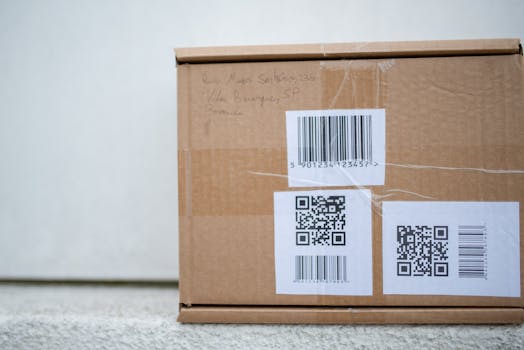
Traceability for Consumers: By scanning a QR code on a product, consumers could access a verified history of its journey on the Solana blockchain, from raw material to their doorstep. This builds immense trust and loyalty.
Brand Differentiation: Companies that adopt such transparent practices can significantly differentiate themselves from competitors, boosting their brand image and potentially commanding premium pricing.
Overcoming Hurdles: What to Consider
While the potential of using Solana for tracking goods is immense, it’s not without its considerations. Implementing any new technology requires careful planning.
Integration with Existing Systems: Connecting blockchain solutions with legacy enterprise resource planning (ERP) and warehouse management systems (WMS) can be complex. This requires robust APIs and middleware.
Industry Standards and Interoperability: As the technology matures, ensuring interoperability between different blockchain platforms and industry-specific standards will be crucial for seamless global supply chain operations.
* Onboarding and Education: Educating all stakeholders, from logistics personnel to end-users, about how the system works and its benefits is key to successful adoption.
Final Thoughts: The Future of Logistics is Transparent and Fast
The idea of using Solana for tracking goods represents a significant leap forward in how we manage the movement of physical assets. Its ability to provide near real-time, secure, and verifiable data at a low cost makes it an incredibly attractive proposition for an industry ripe for disruption. As businesses continue to seek greater efficiency, security, and transparency, blockchains like Solana offer a powerful toolkit. We’re moving towards a future where the journey of a product is as transparent and reliable as the product itself, and Solana is well-positioned to be a driving force in this evolution. It’s not just about tracking; it’s about building a more trustworthy and efficient global marketplace.