
Did you know that the concept of a generator, a device that converts mechanical energy into electrical energy, has roots stretching back to the early 19th century? It might seem like a purely utilitarian piece of equipment, essential for backup power during outages. But peel back the layers, and you’ll find that the humble generator is far more than just a noisy box on standby. It’s a cornerstone of modern civilization, an enabler of innovation, and increasingly, a key player in our quest for a more sustainable future.
Let’s move beyond the obvious and explore the less-discussed facets of these vital machines.
Generators: From Industrial Might to Everyday Ingenuity
When we hear “generator,” many of us picture a large, diesel-powered unit chugging away at a construction site or a hospital. And indeed, that’s a crucial application. These industrial workhorses ensure that critical infrastructure – hospitals, data centers, manufacturing plants – can continue to function uninterrupted. The sheer scale of power they provide is staggering, allowing entire cities to remain operational even when the grid falters.
However, the story of the generator is also one of miniaturization and diversification. Think about portable generators powering remote work sites, food trucks, or even weekend camping trips. This accessibility has democratized power, enabling activities and businesses that were once geographically constrained. It’s this adaptability that truly showcases the pervasive influence of generator technology.
The Environmental Conundrum: Powering Up Responsibly
Here’s where things get particularly interesting and, frankly, a bit complicated. For decades, the primary concern with generators has been their operational efficiency and reliability. But in an era acutely focused on climate change, their environmental footprint can’t be ignored. The reliance on fossil fuels for many traditional generators presents a significant challenge.
This has spurred incredible innovation. We’re seeing a surge in the development and adoption of:
Hybrid generator systems: Combining traditional engines with battery storage to reduce fuel consumption and emissions.
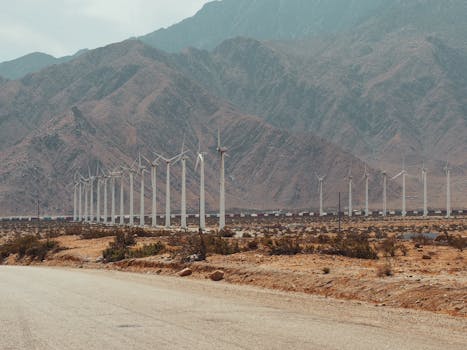
Renewable energy integration: Generators acting as complementary power sources for solar or wind installations, providing backup when renewable output dips.
Advanced fuel technologies: Exploring biofuels and even hydrogen as potential alternatives to conventional diesel and gasoline.
It’s a fascinating dance between meeting immediate power needs and striving for a cleaner tomorrow. The generator is no longer just a power source; it’s becoming part of a larger, more complex energy ecosystem.
Beyond the Outage: Generators as Catalysts for Innovation
Consider this: what if we viewed generators not just as emergency equipment, but as tools that enable new possibilities? In my experience, the availability of reliable, off-grid power has been a silent facilitator of countless breakthroughs.
Think about remote scientific research stations in Antarctica or the Amazon rainforest. Without generators, these vital hubs of discovery would be impossible. Or consider the rapid deployment of communication networks after natural disasters. Portable generators are often the first step in restoring connectivity, allowing aid organizations and emergency services to coordinate effectively.
These are not just instances of backup power; they are examples of how generators actively drive progress and solve problems in challenging environments. They allow us to push boundaries, both geographically and technologically.
The Future is Flexible: Smarter Generators for a Dynamic Grid
The grid of the future isn’t static; it’s dynamic, decentralized, and responsive. And in this evolving landscape, generators are poised to play an even more sophisticated role. Smart generators, equipped with advanced monitoring and control systems, can communicate with the grid, providing power precisely when and where it’s needed most.
Imagine a scenario where your home generator, powered by natural gas or a greener alternative, can intelligently decide whether to draw from the grid or supply it, based on real-time pricing and demand. This isn’t science fiction; it’s the direction of travel for distributed energy resources.
These “flexible generators” can help stabilize the grid, absorb excess renewable energy, and even reduce overall energy costs for consumers. It’s a shift from passive backup to active grid participation.
What Makes a “Good” Generator Then?
So, if the role of the generator is so multifaceted, how do we define what makes a “good” one? It’s no longer solely about raw power output or fuel efficiency in isolation.
A truly valuable generator today is one that is:
Reliable: This remains foundational. No matter the application, consistent performance is paramount.
Efficient: Minimizing fuel consumption translates directly to lower operating costs and reduced environmental impact.
Adaptable: Can it handle varying loads? Can it integrate with other energy systems?
Sustainable: What are its emissions? What fuel sources can it utilize, now and in the future?
Smart: Does it offer remote monitoring and control capabilities?
The ideal choice depends heavily on your specific needs, whether it’s keeping a business running, powering a remote cabin, or contributing to grid stability. Understanding these evolving criteria is key.
Wrapping Up: The Evolving Heartbeat of Power
We’ve journeyed from the fundamental mechanics of energy conversion to the complex interplay of generators within our modern, environmentally conscious world. The generator, far from being a static piece of technology, is in constant flux, adapting to new demands and driving new possibilities. It’s the silent engine that powers our emergency response, fuels our remote adventures, and is slowly but surely becoming an intelligent participant in our clean energy future.
As we look ahead, with an ever-increasing demand for power and a growing urgency to decarbonize, how will the role of the generator continue to transform, and what innovative solutions will emerge to meet these challenges?