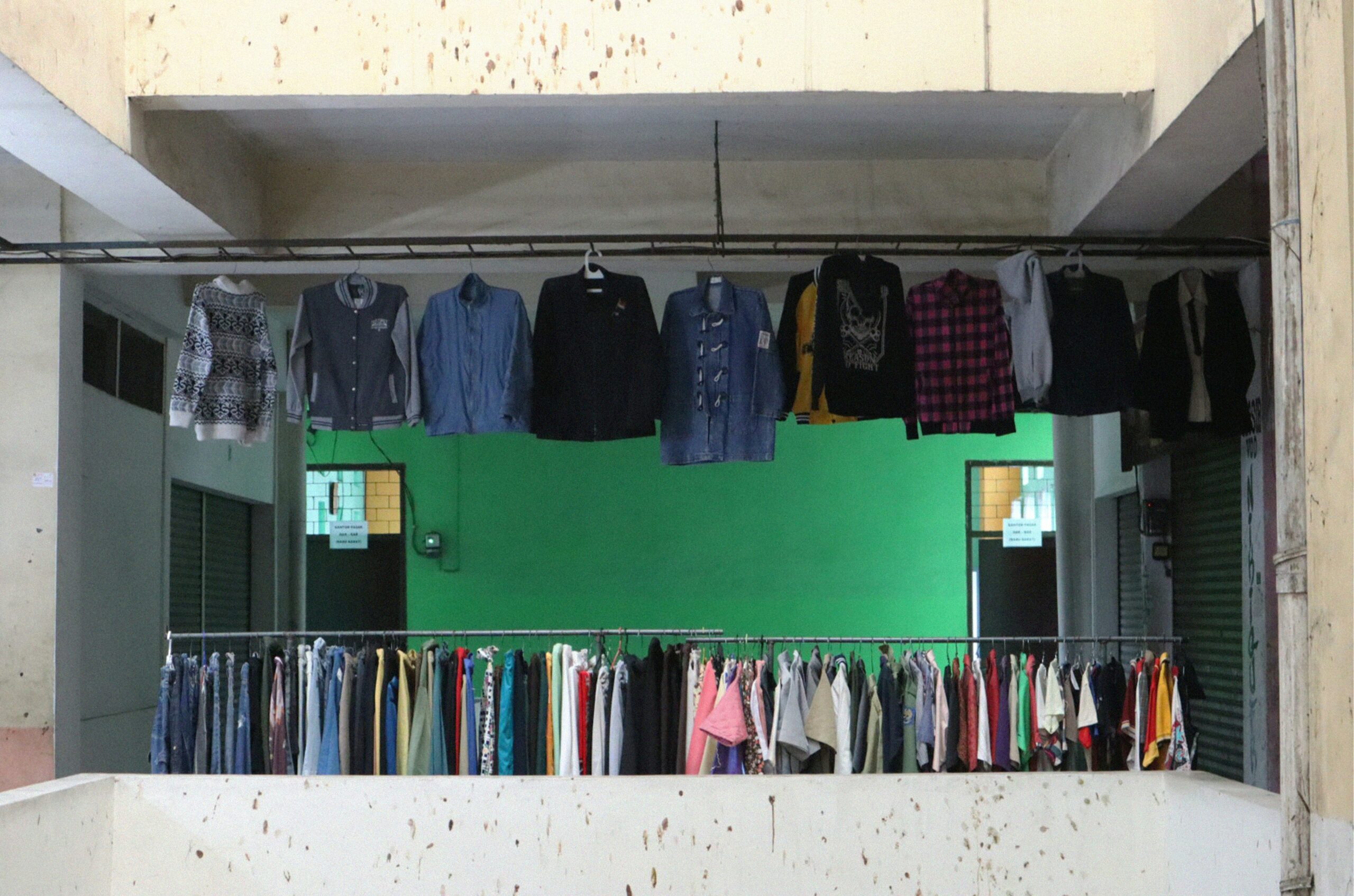

Feeling a bit uninspired when you open your closet? You’re not alone. The good news is, fixing a “boring” wardrobe isn’t as complicated as it might seem. It’s less about throwing everything out and starting fresh, and more about thoughtful edits and understanding what genuinely works for you. Let’s delve into some practical ways to bring new life to your personal style.
Before you can build something new, sometimes you need to clear away the old. This isn’t about judgment, it’s about making space.
The Full Closet Cleanout
Take everything out. Seriously. Empty your entire closet, drawers, and any other spots where clothes lurk. This process, as recommended by Camille Styles in her 2026 Wardrobe Refresh Guide, helps you see everything you own with fresh eyes. Lay it all out – on your bed, on the floor, wherever you have space. This visual overview can be quite illuminating.
Applying the One-Year Rule
Now, for the tough part. As you look at each item, consider if you’ve worn it in the last year. If the answer is no, it’s a strong candidate for removal. There are, of course, exceptions – sentimental items, special occasion wear, or pieces you’re truly planning to mend. But for the most part, if it hasn’t seen the light of day in 12 months, it’s likely not serving your getCurrent style or needs. Be honest with yourself. This isn’t about being wasteful; it’s about recognizing what you actually use and love.
Sorting and Deciding
Create three piles: Keep, Donate/Sell, and Maybe. The “Maybe” pile is for items you’re truly on the fence about. You can revisit these later, but for now, focus on the clear “yes” and “no” items. The goal here isn’t perfection, but progress.
Revitalizing Your Existing Pieces
You might be surprised by how much potential your current wardrobe holds. Sometimes, a “boring” wardrobe just needs a fresh perspective.
The Power of Layering
Layering isn’t just for warmth; it’s a powerful styling tool. A simple t-shirt can look completely different under an open button-down, a blazer, or a denim jacket. Experiment with different textures and lengths. A fitted turtleneck under a slip dress, for example, can transform a summer item into a year-round piece. Don’t be afraid to try combinations you wouldn’t normally consider.
Strategic Accessorizing
Accessories can completely change the vibe of an outfit. A chunky necklace can elevate a plain sweater; a silk scarf tied around your neck or handbag can add a pop of color and sophistication. Belts can define your waist and alter the silhouette of an otherwise shapeless garment. Don’t underestimate the impact of good shoes and a well-chosen bag. They often get noticed first.
Simple Alterations
Sometimes, a garment just doesn’t fit quite right, leading to it being unworn. A trip to a tailor for minor adjustments – hemming pants, taking in a waist, or shortening sleeves – can make a world of difference. A well-fitting garment always looks more polished and feels more comfortable, even if it’s an old piece. This small investment can breathe new life into items you were ready to discard.
Thinking Beyond the Obvious
Can that dress be worn as a skirt with a sweater over it? Can that button-down be styled open as a light jacket? Challenge yourself to see your clothes in new ways. Look for inspiration online or in magazines showing alternative ways to wear common items. Sometimes, a new way of folding a cuff or tucking in a shirt can make an old outfit feel new.
Incorporating Newness Thoughtfully

Once you’ve streamlined your closet and explored new ways to wear existing items, you might identify a few gaps. This is where strategic new purchases come in.
The One-In, One-Out Rule
As Camille Styles suggests, adopting a “one-in, one-out” policy for new purchases is a solid strategy for maintaining a curated wardrobe. Before you buy something new, commit to letting go of a similar item you already own. This prevents your closet from overflowing again and forces you to be intentional about what you bring in.
Building a Foundation of Staples
Before chasing fleeting trends, ensure you have a solid foundation of versatile basics. Think quality t-shirts, well-fitting jeans, a classic blazer, comfortable yet stylish trousers, and a few reliable layers. These pieces form the backbone of your wardrobe and can be mixed and matched endlessly. When these foundational pieces are in good condition and fit well, assembling outfits becomes much easier.
Injecting Personality with Statement Pieces
Once your basics are covered, consider adding a few statement pieces that reflect your personal style. This could be a bold-colored coat, a unique print, or an unusual silhouette. These pieces are meant to stand out and add interest to your otherwise classic outfits. They are the “flavor” of your wardrobe. Just be mindful not to overdo it; a few carefully chosen statement pieces are more effective than a closet full of them.
Prioritizing Quality Over Quantity
Fast fashion, while tempting for its price point and trendiness, often leads to a cycle of constant buying and discarding. As the “7 Style Trends to Leave Behind in 2026” video points out, ditching fast fashion is a smart move. Investing in fewer, higher-quality items means they will last longer, often fit better, and ultimately be more sustainable. Look for durable fabrics, strong stitching, and timeless designs rather than flimsy, disposable pieces.
Boosting Confidence and Motivation

Sometimes, a wardrobe refresh is also about a mental shift. Feeling good in your clothes directly impacts your confidence.
The Activewear Upgrade
If you’re someone who regularly works out, don’t overlook your activewear. Old, stretched-out black leggings can definitely dampen your spirits. As stated in the 2026 refresh guide, swapping those out for new, well-fitting black leggings can actually boost your workout motivation and confidence. It’s a small change that can have a tangible impact on how you feel during your fitness routine. The same goes for comfortable sports bras or supportive tops. When you feel good in what you’re wearing, you’re more likely to engage.
Dress for the Life You Have, Not the Life You Wish You Had
Be realistic about your lifestyle. If you work from home, a closet full of formal wear might not make sense. If you’re a busy parent, practical yet stylish pieces are key. Your wardrobe should support your daily activities, not hinder them. Don’t buy clothes for an imaginary life; buy for the reality of your day-to-day. This doesn’t mean sacrificing style, it means finding stylish solutions that align with your actual needs.
Embracing Comfort
Style and comfort are not mutually exclusive. When you’re comfortable in your clothes, you instantly exude more confidence. Look for fabrics that feel good against your skin, cuts that allow for movement, and shoes that don’t pinch. A beautifully tailored outfit that’s also supremely comfortable is the ultimate win. You shouldn’t have to suffer for style.
Beyond the Clothes
| Problem | Solution |
|---|---|
| Boring wardrobe | Experiment with different colors and patterns |
| Repetitive outfits | Invest in versatile pieces that can be mixed and matched |
| Lack of accessories | Add statement jewelry, scarves, or hats to elevate your look |
| Outdated clothing | Update your wardrobe with trendy and timeless pieces |
A truly revitalized style often goes beyond just the garments themselves. It’s about presentation and self-care.
Grooming Matters
A sharp haircut, well-maintained nails, or a simple skincare routine can elevate any outfit. These small details show attention to yourself and can make your clothes look even better. You could be wearing the simplest t-shirt and jeans, but if your hair is styled and your skin looks healthy, you’ll still appear put-together.
The Power of Good Undergarments
Often overlooked, good undergarments are the foundation of any outfit. Properly fitting bras, seamless underwear, or shapewear (if you choose to wear it) can make your clothes drape better and feel more comfortable. Investing in good quality underpinnings is an investment in your overall comfort and the appearance of your clothes. They literally set the stage.
Understanding Your Body Shape and Personal Colors
Take some time to understand what silhouettes flatter your body shape and which colors truly make you glow. This isn’t about strict rules, but about gaining insights that empower your choices. When you wear colors and cuts that are harmonious with your natural features, you automatically look more vibrant and put-together. There are plenty of online resources and stylists who can help you with this if you’re unsure. This knowledge is an invaluable tool for strategic shopping and styling.
Seeking Inspiration, Not Duplication
Look to people whose style you admire, but don’t try to copy them exactly. Understand the elements you like about their look – is it their use of color? Their preference for oversized silhouettes? Their minimalist aesthetic? Then, figure out how to incorporate similar elements in a way that feels authentic to you. The goal is to evolve your own personal style, not to become someone else. Use inspiration as a springboard for your own creativity.
Fixing a boring wardrobe is an ongoing process of discovery and refinement. It’s about being mindful of your purchases, creative with your existing items, and honest about what truly suits your lifestyle and makes you feel good. It’s not about being trendy, but about building a wardrobe that genuinely reflects who you are, making getting dressed a source of quiet confidence rather than daily dread.
FAQs
1. What are some common signs that indicate a wardrobe is boring or repetitive?
Some common signs that indicate a wardrobe is boring or repetitive include wearing the same outfits frequently, feeling uninspired by the clothing options, and lacking variety in colors, patterns, or styles.
2. What are some strategies for adding variety to a boring or repetitive wardrobe?
Some strategies for adding variety to a boring or repetitive wardrobe include experimenting with different color combinations, incorporating new accessories, trying out different styles or silhouettes, and mixing and matching existing pieces in new ways.
3. How can one refresh their wardrobe without buying new clothes?
One can refresh their wardrobe without buying new clothes by organizing and decluttering their current wardrobe, reimagining and restyling existing pieces, investing in quality accessories, and utilizing alteration services to update or customize clothing items.
4. What are some budget-friendly ways to update a wardrobe?
Some budget-friendly ways to update a wardrobe include shopping at thrift stores or consignment shops, participating in clothing swaps with friends or family, utilizing online resale platforms, and taking advantage of seasonal sales and discounts.
5. How can one maintain a versatile and interesting wardrobe in the long term?
One can maintain a versatile and interesting wardrobe in the long term by regularly assessing and updating their clothing collection, investing in timeless and versatile pieces, staying informed about current fashion trends, and being open to trying new styles and combinations.


