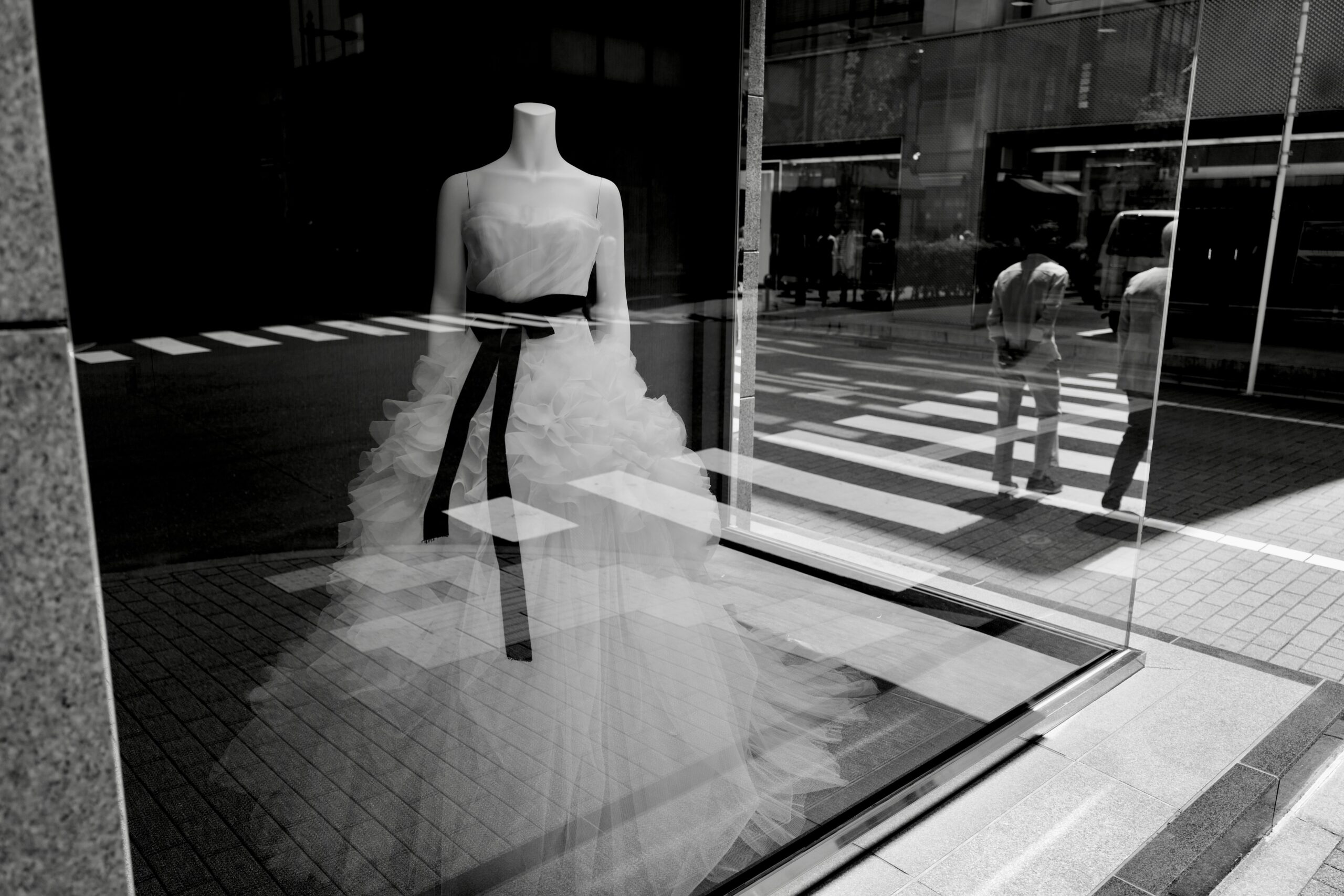

When you’re trying to figure out what to wear, it can feel like a minefield. Too casual and you might feel out of place, a bit embarrassed even. Too dressed up and you might stick out like a sore thumb. Finding that sweet spot, that perfect dress code balance, is what we’re all aiming for. The good news is, it’s usually better to be a little too dressed up than not dressed enough, especially when it comes to showing respect for the event and the people hosting it.
The Fine Art of Not Fitting In: Why Overdressing Can Be Okay
We’ve all been there, haven’t we? Staring at an invitation, a calendar reminder, or just a general sense of what’s going on, and the dress code is… hazy. In these moments, the world of fashion advice often leans towards a simple rule: when in doubt, it’s usually better to be a bit overdressed than underdressed. This isn’t about showing off; it’s about a subtle nod to respect. If you’re heading to a wedding, for instance, and you’re not entirely sure if “smart casual” means chinos and a button-down or something a bit snazzier, going with the snazzier option often lands better. It says, “I value this event, and I’ve made an effort.” Think of it as a little insurance policy against feeling awkward. Even if everyone else is rocking a more relaxed vibe, you’re less likely to be the one feeling out of place.
When “A Bit Much” is Just Right
There are certain situations where going the extra mile with your attire is not just acceptable, but expected. This is particularly true for milestone events. A wedding is a prime example. It’s a significant celebration for the couple, and showing up in something clearly thoughtfully chosen communicates your support and appreciation for their big day. Even if the invitation mentions a “casual” wedding, this often doesn’t mean jeans and a t-shirt. It usually translates to something more polished than your everyday wear. Think a nice sundress, a skirt and blouse, or smart trousers with a collared shirt. The key is to elevate your usual self.
The Respect Factor: More Than Just Fabric
At its heart, dressing appropriately for an occasion is about respect. It’s a non-verbal way of acknowledging the importance of the event, the host’s effort, and the other guests. When you make an effort with your attire, you’re signaling that you care about being there and that you’re participating respectfully. This applies to everything from a job interview to a family reunion. Conversely, showing up significantly underdressed can come across as a lack of effort, a disregard for the occasion, or even a passive-aggressive statement. It’s a subtle but powerful way to communicate your consideration for others.
The Ripple Effect of Overdressing
While overdressing can feel like a safe bet, it’s also worth considering the context. If you’re attending a casual backyard BBQ and you show up in a full-length ballgown, you might indeed be the only one. In such a scenario, while you’re not technically “wrong,” you might feel a bit disconnected. The goal isn’t to be so far removed from everyone else that you feel uncomfortable. It’s about finding the higher end of appropriate for the specific gathering. A slightly more formal outfit than necessary is generally fine; a completely different sartorial universe is less so.
Navigating the Casual Frontier: Workplace Styles in 2026
The world of work dress codes has been shifting for a while, and by 2026, it’s clear that casual is here to stay in many professional environments. However, “casual” in the workplace isn’t the same as “as casual as possible.” Companies are trying to strike a balance between giving employees flexibility and maintaining a sense of professionalism. This means that while you might not need to wear a suit every day, you absolutely need to read the room. Showing up in your comfiest sweatpants to a client meeting, or even a casual internal team huddle, is likely to send the wrong message—one of not taking your job, or your colleagues, seriously.
“Casual” Does Not Mean “Slob”
It’s easy to misinterpret the move towards casual office wear. The idea is to be comfortable and able to move easily, but still look put-together. Think well-fitting jeans or chinos, smart-casual shirts, blouses, or neat sweaters. This is a far cry from gym wear or loungewear. The aim is to reflect a competent and professional individual, even if the overall vibe is relaxed. The intention behind a casual dress code is usually to foster a more comfortable and collaborative environment, not to encourage sloppiness.
Professionalism is Still Key
Even in the most relaxed office settings, there are unspoken rules about professionalism. This might mean ensuring your clothes are clean and ironed, even if they are casual. It means avoiding anything with rips, stains, or offensive graphics. It also means understanding when to dial it up. For important meetings, presentations, or client visits, it’s wise to err on the side of being slightly more formal than your everyday office wear. This shows you’re making an extra effort for a significant occasion.
Establishing Your Own Workplace Baseline
If your workplace has a vague or unstated dress code, it’s smart to observe what your colleagues and superiors are wearing. What do people wear for important client meetings? What’s the standard for everyday office attire? Use this as your guide. If you’re new, it’s always a good idea to start by dressing a notch more formally than you think is necessary for the first week or two until you get a feel for the actual norms. It’s much easier to loosen up your style once you’re established than to recover from making a poor first impression.
The Undeniable Authority of Formal Events
When an invitation specifies a formal dress code, there’s little room for interpretation. These events are designed with a certain aesthetic in mind, and your attire is part of the overall experience. The most important thing here is consistency. If it’s a black-tie event, it means a tuxedo for men and a formal evening gown for women. This level of occasion demands full commitment to the dress code; there’s no room for mixing in elements that deliberately go against the grain.
Black Tie: It Means What It Says
A “black tie” invitation is a clear directive. For men, this means a tuxedo, a bow tie, and appropriate formal shoes. Trying to substitute a regular necktie for a bow tie, or wearing a regular suit when a tuxedo is specified, misses the point entirely. For women, a long evening gown is the standard. While interpretations can vary slightly based on current trends, the core expectation remains: elegance and formality.
No Sneakin’ in the Sneaks: The Consistency Rule
It’s tempting, especially with fashion trends blurring lines, to think you can sneak in a fashionable element. For example, wearing pristine white sneakers with a suit might be trendy in other contexts, but at a formal event that calls for classic attire, it’s generally a misstep. Similarly, a baseball cap, a wristband from a concert, or even a casually knotted scarf when the rest of your outfit is formal can disrupt the intended look. Formal events are about presenting a complete, cohesive picture of polished elegance.
Religious Ceremonies: A Layer of Respect
When formal events include a religious element, such as a wedding held in a church or other sacred building, there’s an additional layer of consideration. Specifically, covering your shoulders is a sign of respect for the sanctity of the location and the occasion. This applies to women primarily, often meaning a dress with sleeves, a jacket over a sleeveless dress, or a pashmina or shawl. It’s a small but significant gesture that demonstrates you understand and honor the context of the ceremony.
Wedding Guest Etiquette: More Than Just a Party
Weddings are special occasions where guests are invited to celebrate the union of two people. The dress code, however casual the invitation might suggest, is always about looking presentable and respectful. Think of it this way: even the most relaxed wedding is still a wedding, and it deserves a certain level of sartorial consideration from its guests. Showing up in your everyday casual wear can feel a bit like you’re treating it like any other Saturday.
“Casual Wedding” Doesn’t Mean “Anything Goes”
A “casual wedding” invitation can be a bit of a minefield. Does it mean you can wear shorts? Probably not, unless it’s a very specific beach setting and the invitation gives explicit instructions. Even for a laid-back celebration, the expectation is generally for something a step up from your daily uniform. This could mean a nice summer dress, a smart pair of trousers with a dressy top, or a button-down shirt with chinos. The key is to look like you’ve made an effort to look good, not like you just rolled out of bed.
The T-Shirt and Jeans Threshold
Wearing a t-shirt and jeans to a wedding is generally a no-go, regardless of how “casual” the invitation states the event is. The only exception might be if it’s a very specific, highly informal setting, like a friend’s backyard BBQ wedding where everyone knows each other intimately and the vibe is extremely relaxed. However, even then, a t-shirt might be pushing it. A nice polo shirt or a casual button-down would be a safer bet for men, and a casual skirt or a nice top for women.
What About the Parents of the Couple?
When you’re the parents of the bride or groom, your attire often sets a tone. You’ll likely be in many photos, and you’ll be interacting with a lot of guests. It’s customary to dress more formally than the average guest. For mothers of the bride or groom, this often means a formal dress or elegant suit. For fathers, it’s typically a suit and tie, or a tuxedo if the wedding is black tie. The goal is to look distinguished and to reflect the significance of your role in the day.
When the Invitation is Your Guide: Decoding Dress Codes
The most straightforward way to navigate dress codes is to pay attention to what the invitation or event organizer has communicated. If an invitation states “black tie optional,” it gives you a bit more leeway, but the intention is still for guests to dress formally. If it says “cocktail attire,” it means a smart dress or separates for women, and a suit or dress pants with a blazer for men. The real confusion arises when the dress code is ambiguous or omitted entirely.
The Power of Specificity: Black Tie Means Black Tie
Let’s be crystal clear: if an invitation requests “black tie,” it means a tuxedo and a bow tie. There’s no room for interpretation here. A regular suit with a necktie does not constitute black tie. Similarly, a long cocktail dress is not a black tie gown. The purpose of specifying a dress code is to ensure a certain atmosphere and level of presentation. When you receive a specific instruction, it’s best to adhere to it as closely as possible.
“Smart Casual”: The Ever-Elusive Sweet Spot
“Smart casual” is arguably the most misunderstood dress code. Generally, it implies a level of polish that’s beyond everyday wear but not as formal as cocktail attire. For men, this often means dress trousers or dark wash jeans (no rips), a collared shirt or a neat sweater, and perhaps a blazer. For women, it could be a skirt or nice trousers with a stylish blouse, a dress that’s not too formal nor too casual, or smart separates. The key is to look put-together and presentable, as if you’re going for a nice lunch or a relaxed but professional networking event.
When the Invitation is a Blank Slate
If an invitation provides no dress code information at all, you have to use your best judgment based on the event type, time of day, and venue. A daytime garden party will have a different expectation than an evening reception at an upscale restaurant. If it’s a significant event with a prominent host, leaning towards the more formal side is usually a safe bet. You can always discreetly ask the host or a point person for advice if you’re truly stumped. A quick text or email asking, “Just wanted to check on the dress code for Saturday – any guidance?” is perfectly acceptable.
The Underlying Principle: Respect is Always in Fashion
No matter the event, the time of year, or the prevailing fashion trends, the underlying principle of dress codes remains constant: it’s about showing respect. Respect for the host, respect for the occasion, and respect for the other guests. When you dress appropriately, you’re contributing to the overall atmosphere and showing that you value the experience.
Making Your Choice: A Decision of Care
Choosing what to wear is not just a fashion decision; it’s a decision that communicates how you feel about the event and the people involved. When you make an effort to dress in a way that aligns with the expected or implied dress code, you’re sending a positive message. You’re saying, “I’m here, I’m engaged, and I’m honored to be a part of this.” This is especially true when there’s a risk of being underdressed. Being slightly overdressed might make you feel a bit more formal than necessary, but it’s unlikely to cause offense or diminish the experience for others.
When in Doubt, Aim for Polished
If you’re truly unsure, it’s almost always better to be a little more polished than too casual. This means opting for cleaner lines, neater fabrics, and a thoughtful presentation, even if it’s at the slightly more formal end of the spectrum. Think about the vibe you want to project: are you someone who is attentive, considerate, and invested? Your attire is a significant part of that message. By understanding these nuances, you can confidently navigate any dress code and ensure you always feel and look your best, while demonstrating the right level of respect for every occasion.
FAQs
What is the difference between overdressing and underdressing?
Overdressing refers to wearing clothing that is more formal or elaborate than necessary for a particular occasion, while underdressing refers to wearing clothing that is too casual or informal for the occasion.
How can I find the right balance between overdressing and underdressing?
Finding the right balance between overdressing and underdressing involves considering the dress code of the event or occasion, as well as the cultural and social norms. It’s important to dress appropriately for the specific context while also expressing your personal style.
What are some tips for avoiding overdressing?
To avoid overdressing, it’s important to research the dress code for the event or occasion, consider the venue and the nature of the event, and seek guidance from the host or organizer if necessary. Additionally, paying attention to the details of your outfit, such as accessories and footwear, can help you achieve a more balanced look.
How can I prevent underdressing for an event?
To prevent underdressing, it’s important to understand the expectations for the event or occasion and dress accordingly. When in doubt, it’s better to err on the side of being slightly overdressed rather than underdressed. Paying attention to grooming and personal hygiene can also elevate a more casual outfit.
What are some universal wardrobe pieces that can help achieve the right balance?
Universal wardrobe pieces such as a well-fitted blazer, a versatile pair of trousers or a little black dress can help achieve the right balance between overdressing and underdressing. These items can be dressed up or down depending on the occasion and paired with different accessories to suit the dress code.