
The allure of complete energy independence, far from the reach of traditional power lines, is a powerful one, especially for those dreaming of a rural Ontario lifestyle. Many imagine escaping the grid, but the reality of establishing reliable off-grid solar systems in Ontario involves more than just a few panels. It’s a comprehensive journey requiring careful planning, smart technology choices, and a deep understanding of your unique energy needs. Let’s demystify the process and explore what it truly takes to power your life off the beaten path.
The “Why” Behind Going Off-Grid in Ontario
Why choose the path less traveled? For many Ontarians, it’s about self-sufficiency. It’s the freedom to live remotely without the exorbitant costs and logistical hurdles of extending utility poles. Imagine a cabin nestled deep in the Kawarthas or a homestead on the windswept shores of Lake Superior – these are places where off-grid living shines. Beyond the romantic ideal, there are practical benefits: predictable energy costs (no more surprise bills!), a reduced environmental footprint, and the satisfaction of generating your own clean power. It’s a commitment to a lifestyle that values resilience and a closer connection to nature.
Navigating the Ontario Landscape: Key Considerations for Your System
Ontario’s diverse climate presents unique challenges and opportunities for solar power. From the sunny skies of summer to the snow-laden days of winter, your off-grid solar system in Ontario must be robust enough to handle it all.
Sunlight Availability: We’re fortunate here! Ontario generally receives ample sunlight, but factors like tree cover, panel orientation, and seasonal variations are critical. Winter days are shorter, and snow can significantly impact generation.
Energy Demand Assessment: This is the most crucial first step. How much power do your lights, appliances, and electronics consume daily? Underestimating this leads to power shortages, while overestimating leads to unnecessary expense. A thorough audit of your household’s energy habits is non-negotiable.
System Sizing: Based on your energy demand and sunlight availability, your system components – panels, batteries, inverters – must be precisely sized. This is where expert advice is invaluable. An undersized system will leave you in the dark, while an oversized one is simply a waste of money.
The Pillars of an Off-Grid Solar Setup
A functional off-grid solar system in Ontario is a carefully orchestrated ensemble of components, each playing a vital role. Understanding these key players will empower you to make informed decisions.
#### 1. The Solar Array: Capturing Sunlight
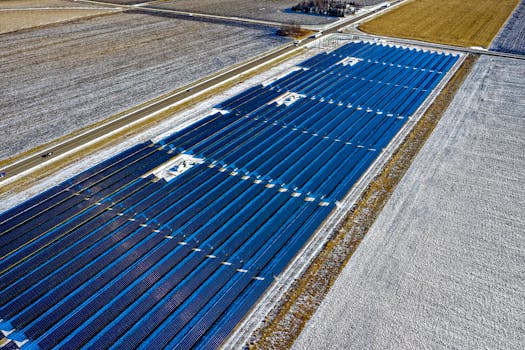
This is your primary energy generator. Solar panels, typically made of photovoltaic (PV) cells, convert sunlight directly into DC (direct current) electricity.
Panel Types: Monocrystalline panels are generally more efficient and perform better in low light, making them a popular choice for Ontario’s variable conditions. Polycrystalline panels are a more budget-friendly option.
Mounting: Ground mounts offer flexibility in orientation and angle, which is ideal for optimizing sunlight capture throughout the year. Roof mounts are an option if feasible and structurally sound, but ground mounts often provide better performance for off-grid setups due to easier adjustability.
#### 2. The Battery Bank: Storing Your Sunshine
Since the sun doesn’t shine at night or on cloudy days, a robust battery bank is essential for storing the electricity generated by your panels. This is often the most significant investment in an off-grid system.
Types of Batteries:
Lead-acid batteries: These are the traditional, more affordable option. Deep-cycle variants are designed for repeated draining and recharging, but they require regular maintenance and have a shorter lifespan than newer technologies.
Lithium-ion batteries (e.g., LiFePO4): While more expensive upfront, lithium batteries offer a longer lifespan, deeper discharge capabilities, are lighter, and require virtually no maintenance. For many, the long-term cost savings and performance make them the superior choice for off-grid solar systems in Ontario.
Battery Capacity: The “amp-hour” (Ah) rating indicates how much energy the battery can store. This needs to be sufficient to cover your energy needs during periods of low generation, often calculated as “days of autonomy” (how many days the system can run solely on battery power).
#### 3. The Inverter: Converting Power for Your Home
Your solar panels and batteries produce DC electricity, but most of your appliances run on AC (alternating current). An inverter’s job is to convert the DC power into usable AC power.
Types of Inverters:
Off-grid inverters: These are specifically designed for standalone systems. They often include built-in charge controllers and can manage power from multiple sources.
Hybrid inverters: While more common for grid-tied systems, some hybrid inverters can be configured for off-grid use, offering advanced battery management features.
Pure Sine Wave vs. Modified Sine Wave: Pure sine wave inverters are essential for sensitive electronics like laptops, medical equipment, and modern appliances, providing clean power similar to what you’d get from the grid. Modified sine wave inverters are cheaper but can damage or cause issues with certain devices. Always opt for pure sine wave for a reliable off-grid solar system in Ontario.
#### 4. The Charge Controller: Protecting Your Batteries
This crucial component acts as a regulator between your solar panels and your battery bank. It prevents overcharging and deep discharging, both of which can significantly shorten battery life.
MPPT (Maximum Power Point Tracking) vs. PWM (Pulse Width Modulation): MPPT charge controllers are significantly more efficient, especially in varying light conditions and when panel voltage exceeds battery voltage, which is common in Ontario. They can extract more power from your panels, making them a wise investment.
Planning Your Installation: Beyond the Hardware
Putting together the hardware is only half the battle. Successful implementation of off-grid solar systems in Ontario requires careful planning and often professional assistance.
Professional Consultation: Unless you have extensive electrical and solar expertise, engaging with a qualified solar installer is paramount. They can help with site assessment, system design, component selection, and ensuring compliance with any local regulations.
Permitting and Regulations: While off-grid systems are often less regulated than grid-tied ones, it’s still wise to understand any local bylaws or building codes that might apply, especially if you’re building a new dwelling.
* Maintenance is Key: Even the best systems require ongoing attention. Regularly cleaning your panels, checking battery connections, and monitoring system performance will ensure longevity and efficiency. It’s interesting to note that a simple visual inspection of your panels can often reveal issues before they become major problems.
The Future of Off-Grid Living in Ontario
As technology advances and energy costs continue to rise, the appeal of off-grid solar systems in Ontario is only set to grow. Innovations in battery storage, panel efficiency, and smart energy management are making these systems more accessible, reliable, and cost-effective than ever before. Whether you’re seeking ultimate self-reliance, a quieter existence amidst nature, or simply a hedge against rising utility costs, embracing off-grid solar power could be your pathway to a more independent and sustainable future.
Wrapping Up: Your Energy Independence Awaits
Embarking on the journey to off-grid solar systems in Ontario is an exciting endeavor that promises a life of greater autonomy and connection. From meticulously assessing your energy needs to selecting the right components like efficient MPPT charge controllers and long-lasting lithium batteries, each step contributes to a robust and reliable system. While the initial investment and planning can seem daunting, the long-term rewards – predictable energy costs, environmental stewardship, and the sheer satisfaction of self-sufficiency – are well worth the effort. With careful consideration and the right expertise, your dream of living off the grid in beautiful Ontario can become a vibrant reality.