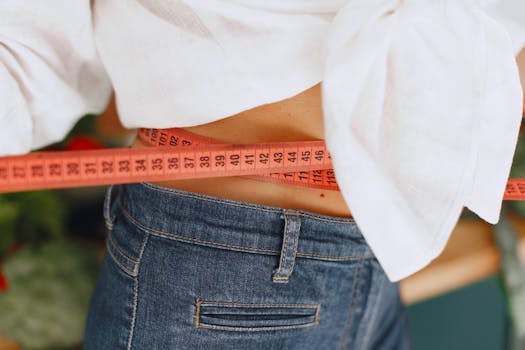

Ever bought a pair of pants that looked great online or on the rack, only to find they either bunch around your ankles or feel like they’re strangling your calves? I’ve been there. It’s frustrating, right? Often, the culprit isn’t the brand’s sizing chart, but a misunderstanding of a fundamental measurement: the inseam. This isn’t just about the length from crotch to hem; it’s about unlocking a level of comfort and style you didn’t know was possible. Let’s dive into how to get this crucial measurement right, once and for all.
Why Your Inseam Measurement is More Than Just a Number
Think of your inseam measurement as your personal pant blueprint. It’s the single most important factor dictating how a pair of trousers will actually feel and look on your unique body. Generic sizing charts do their best, but they can’t account for the myriad of leg lengths and proportions that make us individuals.
Comfort is King (or Queen): An accurate inseam means no more tugging, no more uncomfortable constriction, and no more tripping over excess fabric. You can move freely, whether you’re running for a bus or settling in for a long workday.
Style Points Earned: The right inseam length dramatically impacts the drape of your pants. Too short, and they can look awkward. Too long, and they can overwhelm your frame. Getting it right creates a clean, polished silhouette.
Smart Shopping, Less Hassle: Armed with your precise inseam, online shopping becomes far less of a gamble. You’ll confidently know what to look for, saving you time, money, and the dreaded return process.
The “How-To”: A Foolproof Inseam Measurement Guide
Forget those vague online guides that tell you to “measure from the crotch.” We’re going for precision here. You’ll need a flexible tape measure and a willing assistant, or a bit of creativity if you’re going solo.
#### Step 1: Preparation is Key
Wear Your Usual Footwear: This is non-negotiable. The shoes you typically wear with the type of pants you’re measuring for will affect your posture and how your legs hang. Wear them now.
Go Bare-Legged (or Thin Socks): For the most accurate reading, have a friend measure while you’re wearing just underwear or very thin socks. If measuring yourself, wear thin socks too.
Stand Tall and Relaxed: Stand with your feet about shoulder-width apart, back straight, and shoulders relaxed. Don’t tense up your legs.
#### Step 2: The Actual Measurement
- The Starting Point: The Crotch Seam: Locate the point where the fabric of your existing, well-fitting pants (or a pair you love the length of) meets between your legs. This is the highest point of the inner leg seam.
- The Path: Straight Down the Inner Leg: Have your assistant (or guide the tape measure yourself) run the tape measure straight down the inside of your leg, from that crotch seam all the way to the floor.
- The Crucial Detail: Where to Stop:
For Trousers/Jeans: The tape should reach the top of your shoe’s sole or the point where you want the hem to fall. Think about whether you prefer a slight break in the fabric on your shoe, no break, or a bit of a stack.
For Shorts: Measure to where you want the hem of the shorts to sit on your thigh.
#### Step 3: Recording and Refining
Write It Down Immediately: Don’t rely on memory. Jot down the measurement in inches or centimeters.
Double-Check: Measure at least twice to ensure accuracy. Slight variations can happen, and confirming your reading is always a good idea.
Consider Different Pant Styles: Your ideal inseam for tailored trousers might differ from your preference for casual jeans or athletic leggings. It’s worth measuring for each category if you’re a keen dresser.
Common Inseam Measurement Pitfalls to Avoid
Even with the best intentions, a few common errors can throw off your inseam measurement. Being aware of these will save you a lot of trouble.
Bent Knees or Leaning: This is a big one. If you bend your knees or lean to one side while being measured, you’re shortening the effective length of your leg. Stand straight!
Not Accounting for Shoes: As mentioned, shoes add height and change how your leg hangs. Always measure with the appropriate footwear in mind.
Measuring Stiffly: Trying to keep your legs perfectly rigid can lead to an inaccurate reading. A relaxed stance is key for a true measurement.
Using a Ruler (Instead of a Tape Measure): A flexible tape measure conforms to the natural curve of your leg. A stiff ruler will give you a straight-line measurement, which is not what we’re after here.
Guessing or Relying Solely on Tag Sizes: This is the most common mistake. Your “usual” size is just a starting point; your inseam is the definitive guide.
Beyond Basic Inseam: Understanding Your Body Proportions
While the inseam measurement is paramount, it’s also useful to consider your overall leg length relative to your torso. Sometimes, people with the same inseam measurement can have different body proportions, affecting how pants fit. For example, one person might have a longer torso and shorter legs, while another might have the opposite.
The “Rise” Factor: The rise of a pant (the distance from the crotch seam to the waistband) plays a significant role here. A high-rise pant will sit higher, effectively shortening the perceived leg length. A low-rise pant does the opposite. Knowing your preferred rise, in conjunction with your inseam measurement, provides an even more comprehensive understanding of fit.
Leg Shape: Straight, bootcut, slim, or tapered – the cut of the leg also influences how the inseam length translates visually. A wide-leg pant might look great with a slightly longer inseam than a skinny jean.
The Takeaway: Confidence Through Precision
Mastering your inseam measurement is a simple yet incredibly powerful step towards better-fitting clothes. It’s about taking control of your wardrobe and ensuring that every pair of pants you own works for you, not against you. No more guesswork, no more compromises on comfort.
So, the next time you’re eyeing a new pair of trousers or wondering why your current ones just don’t feel right, grab that tape measure.
What’s one style of pant you’ve always struggled to find the perfect length for, and how will understanding your inseam measurement change your approach?