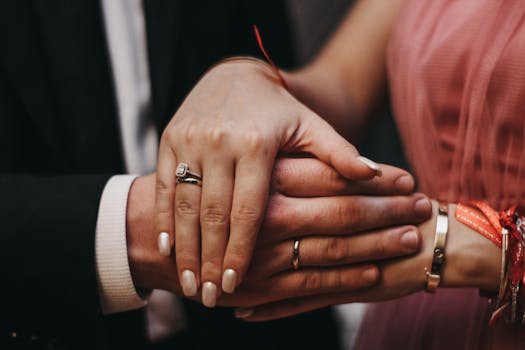

Picture this: the joyful anticipation, the whispered vows, the perfect moment when two hands, adorned with symbols of eternal commitment, meet. At the heart of this profound occasion often lies a ring – specifically, a real gold diamond wedding ring. It’s more than just jewelry; it’s a promise, a legacy, and for many, a significant investment. But navigating the world of precious metals and ethically sourced diamonds can feel overwhelming. Fear not. We’re cutting through the jargon to give you the direct, practical insights you need to make an informed decision that you’ll cherish forever.
Unpacking “Real Gold”: What You’re Actually Buying
When we talk about “real gold,” it’s crucial to understand that pure gold (24 karats) is incredibly soft. For durability, especially in something as hard-wearing as a wedding ring, gold is alloyed with other metals like copper, silver, nickel, or zinc. This is where karats (K) come in.
18K Gold: This means 18 out of 24 parts are pure gold (75% gold). It offers a beautiful balance of rich color and enhanced durability compared to 24K. It’s a popular choice for wedding rings, striking a good compromise between purity and resilience.
14K Gold: With 14 parts pure gold (58.3% gold), this is a very common and practical option. It’s significantly more durable than 18K and also more affordable, making it an excellent choice for active lifestyles. Many people find the slightly paler hue of 14K gold quite appealing.
10K Gold: This alloy contains 10 parts pure gold (41.7% gold). While it’s the most durable and affordable option, its gold content is lower, meaning the color will be less pronounced. It’s a solid choice if budget and toughness are your absolute top priorities.
Which color is right?
Beyond the karat, you’ll encounter different gold colors:
Yellow Gold: The classic, timeless choice. It’s alloyed with copper and silver to achieve its warm hue.
White Gold: Achieved by alloying pure gold with white metals like nickel, palladium, or manganese. It’s often plated with rhodium for a bright, silvery finish. Be aware that rhodium plating can wear off over time, requiring re-plating.
Rose Gold: Created by adding copper to pure gold, resulting in a beautiful pinkish-red tone. The amount of copper determines the intensity of the color. It’s a wonderfully romantic and contemporary option.
I’ve often found that couples who lean towards rose gold are drawn to its unique warmth and vintage charm. It’s a subtle yet striking statement.
The Diamond’s Dilemma: Understanding the 4 Cs
A diamond’s beauty and value are determined by the “4 Cs”: Cut, Color, Clarity, and Carat Weight. Getting a handle on these will empower you to find a diamond that fits your vision and budget.
#### Cut: The Sparkle Factor
This is arguably the most important C, as it dictates how well a diamond reflects light. A well-cut diamond will be brilliant and fiery, regardless of its other characteristics. Poorly cut diamonds can appear dull or lifeless. Don’t compromise on cut; it’s the key to that coveted sparkle.
#### Color: From Clear to Hue
Diamond color is graded on a scale from D (completely colorless) to Z (light yellow or brown). For most people, the sweet spot is between G and J. These diamonds appear colorless to the naked eye but offer significant savings compared to D, E, or F grades.
#### Clarity: Internal Perfection
Clarity refers to the presence of natural inclusions (internal characteristics) and blemishes (external imperfections). Graded from Flawless (FL) down to Included (I), most diamonds fall into the Very Slightly Included (VS) or Slightly Included (SI) categories. With these grades, inclusions are often microscopic and invisible to the naked eye, offering excellent value.
#### Carat Weight: The Size Factor
Carat refers to a diamond’s weight, not its size. A higher carat weight generally means a larger diamond, but the cut quality significantly impacts how large a diamond appears. Don’t get fixated solely on carat weight; a smaller, well-cut diamond can outshine a larger, poorly cut one.
Beyond the Basic: Practical Considerations for Real Gold Diamond Wedding Rings
When you’re looking at real gold diamond wedding rings, there are a few practicalities that can make a big difference to your satisfaction and the longevity of your purchase.
#### Setting Styles: Security Meets Style
The way your diamond is set impacts both its appearance and security.
Prong Settings: The most common, where metal prongs hold the diamond. They allow maximum light entry for brilliance but can snag on things.
Bezel Settings: A metal rim encircles the diamond, offering excellent protection and a smooth profile. It can make a diamond appear slightly smaller, however.
Channel Settings: Diamonds are set in a groove of metal, offering a sleek, low profile and good protection for smaller stones.
Pave Settings: Tiny diamonds are set closely together, appearing like a “path” of diamonds. This offers maximum sparkle but can require more intricate maintenance.
#### Hallmarks: Proof of Authenticity
Always look for hallmarks stamped inside the ring band. These indicate the metal’s purity (e.g., 14K, 18K) and the manufacturer’s mark. Reputable jewelers will readily provide these details.
#### Ethical Sourcing: Peace of Mind
The origin of both your gold and diamonds matters. Look for jewelers who can provide documentation or assurances about ethically sourced materials. The Kimberley Process, while not perfect, is a starting point for conflict-free diamonds. Many jewelers now offer traceable and recycled gold options, which is a fantastic way to make your ring even more meaningful.
Investing in Enduring Symbolism: Real Gold Diamond Wedding Rings as Heirlooms
Choosing real gold diamond wedding rings is a decision that transcends the immediate. These pieces are designed to last, to be passed down through generations. They carry stories, memories, and unspoken traditions. When you invest in quality – in the right gold alloy, a well-cut diamond, and a secure setting – you’re not just buying a ring; you’re investing in a tangible piece of your legacy.
Consider the future. Will the chosen gold color remain popular? Is the setting robust enough for daily wear over decades? These aren’t just aesthetic questions; they’re about ensuring your symbol of love remains as strong and beautiful as your bond. I’ve seen many couples revisit their wedding rings years later, often wishing they’d considered these long-term factors more closely during their initial selection.
Wrapping Up: Your Next Step
Don’t let the sheer volume of options paralyze you. Focus on understanding the 4 Cs for your diamond and the karat and color for your gold. Prioritize durability for your lifestyle and seek out reputable jewelers who champion ethical sourcing. The perfect ring is out there, and with a clear, practical approach, you’ll find the real gold diamond wedding rings that perfectly capture your love story.